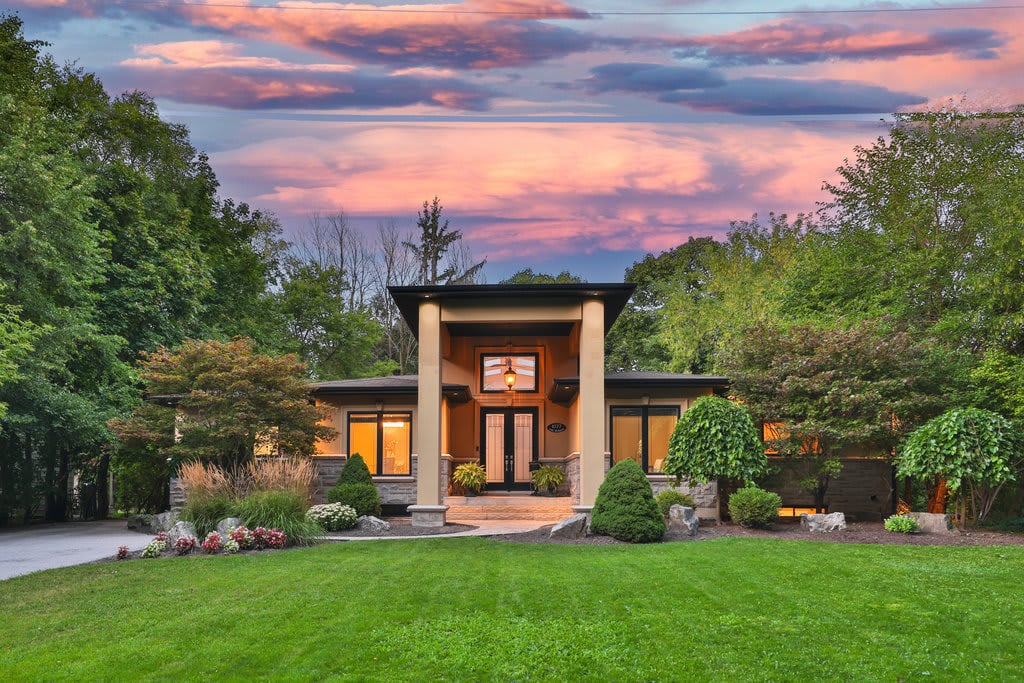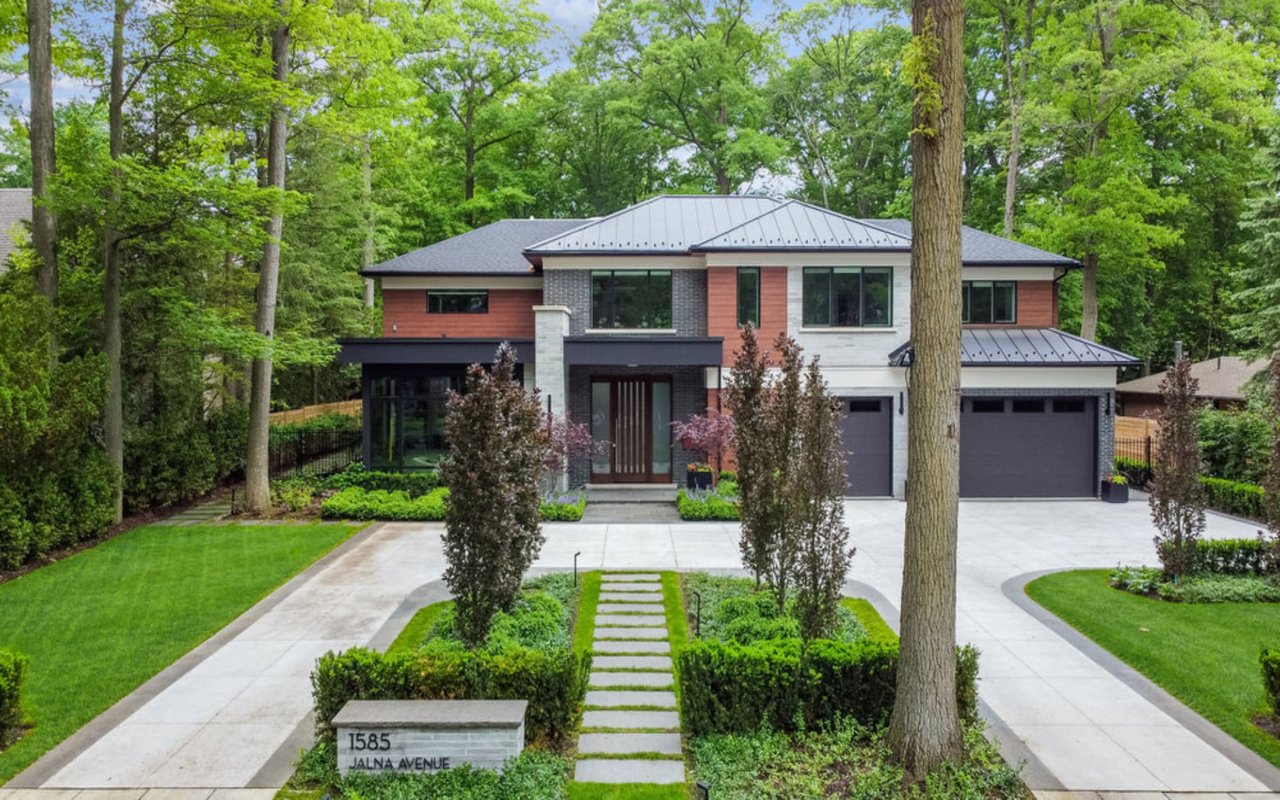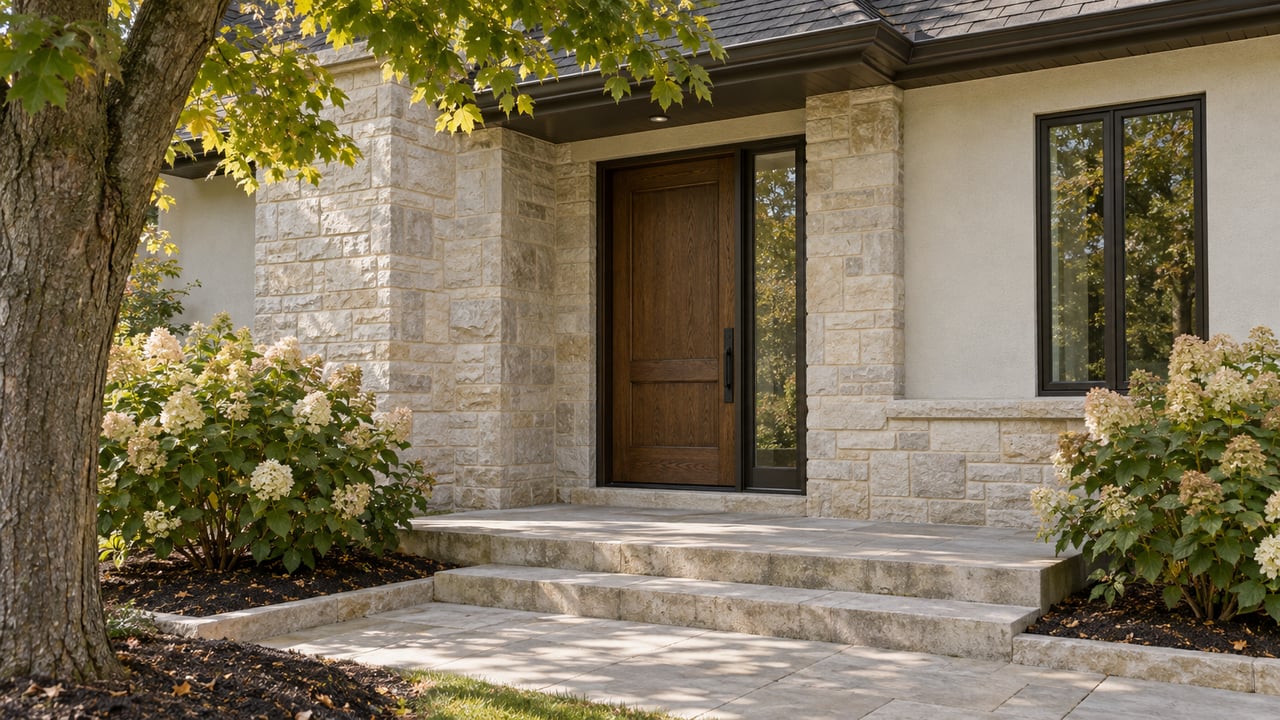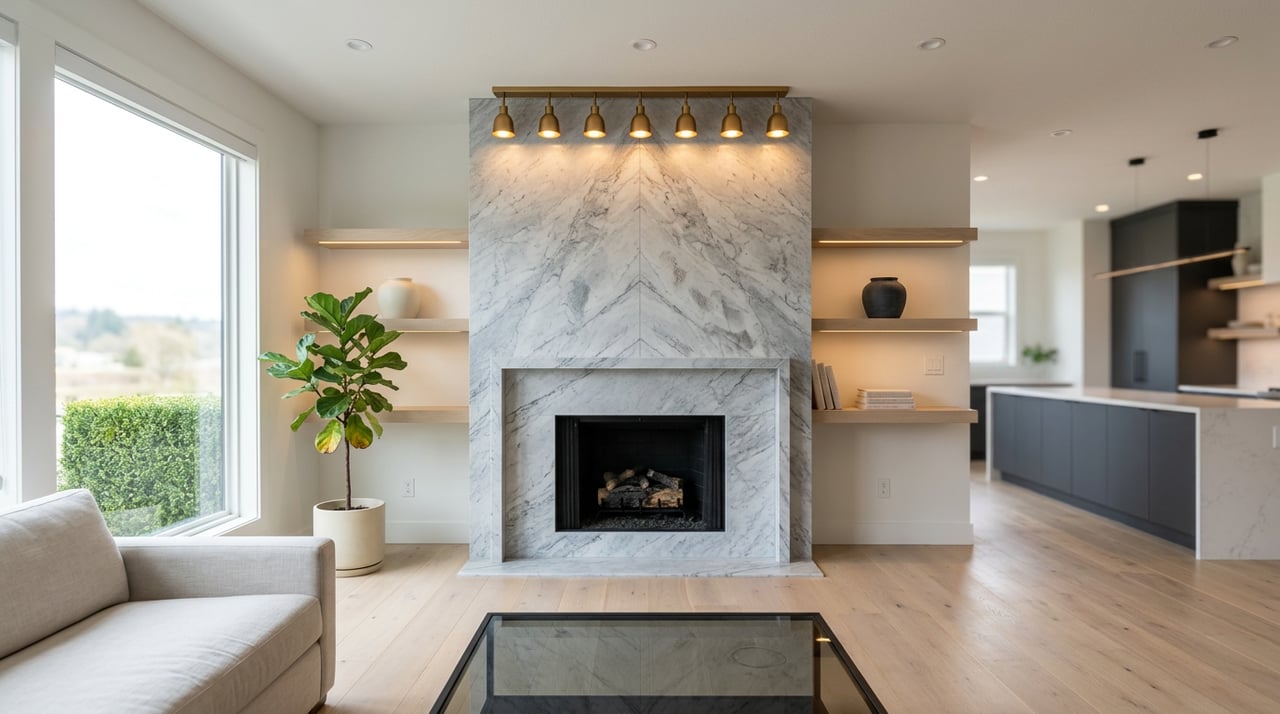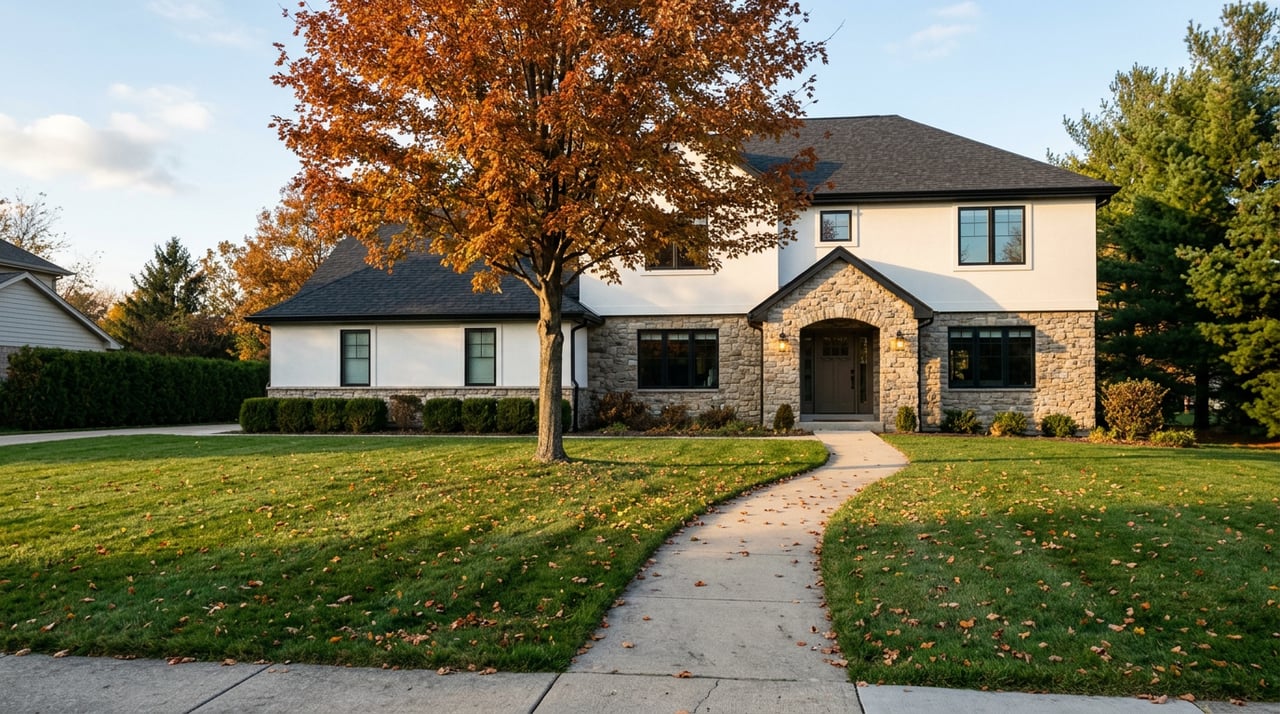
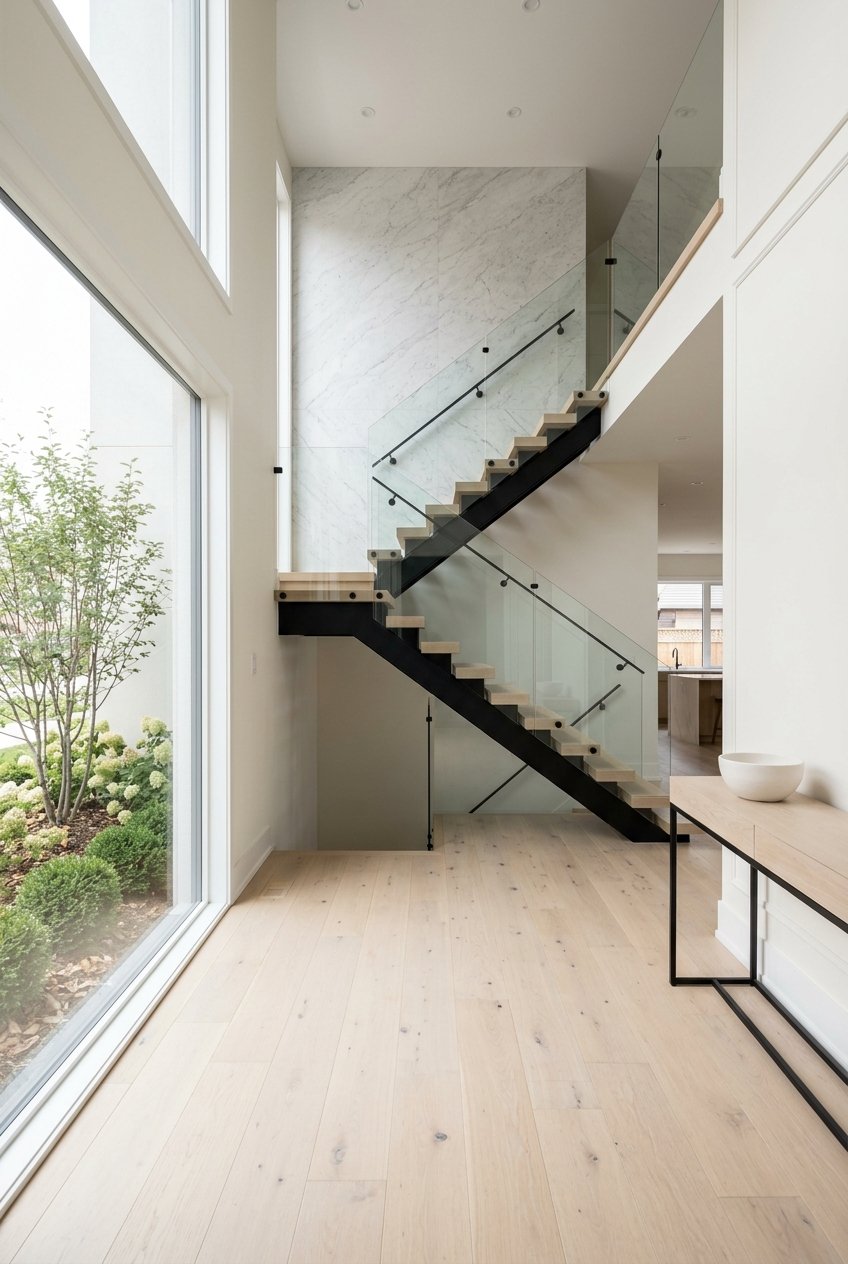
Thinking about building a custom home in Mineola? It can be an exciting path, but it is not the kind of neighbourhood where you want to make assumptions based on a nearby teardown or a house plan you love online. In Mineola, lot-by-lot details matter, and the City’s policies make that clear. This guide will help you understand what makes Mineola unique, what to check before you buy or design, and how to plan a smoother path from idea to permit. Let’s dive in.
Why Mineola stands out for custom homes
Mineola is one of Mississauga’s most character-sensitive residential areas. City policies emphasize generous setbacks, existing grades and drainage, reduced front-yard hardscape, tree protection, and homes that respond to their specific sites.
That matters if you are planning to build new. In Mineola, a successful custom home usually starts with the land itself, including the lot shape, topography, mature trees, and how the home will sit within the existing streetscape.
Heritage materials also describe Mineola as an area shaped by rolling topography, natural drainage, mature trees, and generally larger lots. In parts of the neighbourhood, winding roads and open ditch road cross-sections are part of the established setting, which adds to the area’s distinct feel.
What custom design means in Mineola
Mineola is not a blank-slate subdivision environment. The City specifically discourages standard repeat designs and instead supports site-specific homes that fit the scale and character of the lot.
For detached infill, the City calls for preserving front, rear, and side-yard setbacks where possible. It also emphasizes keeping existing grades and drainage patterns, recessing or hiding garages, minimizing overlook and overshadowing, and preserving trees and landscape features.
In practical terms, that means the best custom-home concepts in Mineola are often the ones that work with the property instead of forcing a generic plan onto it. If you are considering a purchase for redevelopment, this is one of the most important points to understand early.
Start with the parcel, not the floor plan
Before you commit to a design or even a purchase, confirm the facts of the property itself. Mississauga’s property information tools can help identify the lot’s legal description, lot area, zoning, permit history, development history, Committee of Adjustment history, and heritage status.
This step can save you time and money. A lot that looks straightforward from the street may still involve zoning limits, tree constraints, heritage considerations, or approval history that affects what you can realistically build.
The City also notes that zoning regulations are updated continuously through amendments. That is why you should verify zoning directly rather than assume that what was built nearby defines what is permitted on your lot.
Key zoning questions to answer early
For a new house in Mississauga, zoning typically addresses several core items:
- Permitted dwelling type
- Required setbacks
- Lot coverage
- Maximum building height
- Maximum floor area
These are foundational questions, especially in a neighbourhood like Mineola where the fit of the home on the lot is closely scrutinized. If your design stretches one of these limits, you may need a revised concept or an additional approval path.
When extra approvals may come into play
Not every custom build fits zoning exactly on the first draft. If your proposal does not fully comply, you may need to apply for a minor variance through the Committee of Adjustment.
If the project involves creating a new lot, or selling or mortgaging part of the land, consent or severance may also be required. The City advises consulting a lawyer on consent-related questions, which is especially important if the value of the project depends on lot changes.
In some Mineola locations, site plan control may also be relevant. The City’s planning guidance notes that site plan approval reviews items such as landscaping, grading, site layout, parking areas, and emergency access.
Trees, grading, and drainage deserve early attention
In Mineola, mature trees and established landscape features are a major part of neighbourhood character. They are also a practical planning issue for anyone building new.
The City requires a tree permit to injure or remove one or more private trees that are 15 cm or greater in diameter. In many cases, replacement trees are required, and the City recommends consulting a certified arborist.
Drainage matters too. Mineola’s character policies emphasize preserving existing grades and drainage, and construction that disturbs soil requires an erosion and sediment control permit before excavation or other land-disturbing activity begins.
Depending on the property, conservation authority approval may also be needed as part of that process. This is one reason why early site review can be so valuable before plans become expensive to change.
Demolition is its own approval step
If your custom build involves removing an existing house, do not treat demolition as a simple formality. Mississauga’s Demolition Control By-law applies to all residential properties, and a demolition control permit is required for the demolition of any dwelling unit.
The City also states that demolition permits are still required for all buildings and are processed with demolition control where appropriate. If you are evaluating a teardown opportunity, you will want the demolition path and replacement-build path understood together, not separately.
That joined-up thinking can help you avoid delays between acquisition, approvals, and construction planning.
Heritage context in Mineola
Mineola is identified by the City as a cultural heritage landscape. That does not automatically mean every home is individually designated, but it does mean the broader character of the area is recognized and can influence how redevelopment is reviewed.
This is another reason parcel-specific due diligence matters. A property’s heritage status can be checked through the City’s property information tools, and that review should happen before major design decisions are locked in.
The usual custom build sequence in Mississauga
If you are planning a custom home in Mineola, the process usually follows a clear order. Starting in the right sequence can reduce redesigns and improve your timeline.
1. Verify lot and planning details
Begin by confirming zoning, lot details, heritage status, tree constraints, and any possible conservation or site plan issues. This is the due diligence stage where many costly surprises can be avoided.
2. Assemble the right design team
The City strongly recommends working with an architect, professional engineer, or qualified designer. Complete and accurate drawings are essential for Building Code compliance and zoning review.
On more complex sites, you may also need input from an arborist, civil engineer, landscape designer, or lawyer, depending on the lot and the scope of work.
3. Prepare the permit package
For new houses, Mississauga requires a full document set. The City states that drawings must be to scale, metric, and clearly show both existing and proposed conditions.
Its new-house checklist also includes forms and technical documents such as applicable-law information, designer information, and energy and ventilation documentation.
4. Submit through ePlans
Building permit applications in Mississauga must be submitted online through ePlans. A building permit must be issued before construction starts.
The City also sets file-format rules for ePlans, including PDF-only uploads and individual drawing files. That may sound administrative, but small submission issues can slow down a review.
5. Secure demolition approvals if needed
If an existing dwelling will be removed, the required demolition approvals need to be in place before the replacement build can proceed on schedule. This step is especially important for teardown projects.
6. Complete required inspections
During construction, mandatory inspections are required. The City states that inspections apply to new construction, renovation, demolition, and change-of-use work.
What timelines can look like
Mississauga’s current permit timelines offer a useful planning benchmark. Prescreening usually takes 7 to 10 business days, and first review for a complete residential application is 10 business days.
The City reports that the average time to issue a permit for a new residential detached or semi-detached home is 13 weeks. Incomplete applications and resubmissions can add time, so thorough preparation matters.
For tree permits, the City says complete applications are reviewed within 30 business days. In a neighbourhood like Mineola, where tree, grading, and character-sensitive factors can all shape the design, it is wise to build extra time into your schedule.
Questions to ask before buying a Mineola lot
If you are shopping for a property with custom-build potential, these are some of the most important questions to ask:
- What is the exact zoning on the lot?
- Does the concept fit the permitted dwelling type, setbacks, height, lot coverage, and floor area?
- Is the property subject to Mineola character policies or site plan control?
- How will the design preserve setbacks, drainage, mature vegetation, and the surrounding streetscape?
- Are there trees that could trigger a tree permit, arborist input, or replacement-tree requirements?
- If the existing house will be demolished, what approvals are required?
- If the design does not comply with zoning, would a minor variance be needed?
- If land is being divided or partially transferred, is consent or severance required?
- What is the realistic timeline if revisions are requested after first review?
These questions do more than protect your budget. They help you make better decisions about which properties are genuinely suitable for your goals.
Why early planning pays off in Mineola
In some neighbourhoods, custom-building is mostly about design taste and construction budget. In Mineola, the process is more site-sensitive than that.
The strongest projects usually start with disciplined groundwork: verify the parcel, understand the approval path, respect trees and drainage, and assemble the right professionals early. That approach gives you a clearer picture of what is possible before you commit significant time or capital.
For buyers targeting premium lots and redevelopment opportunities in South Mississauga, that level of diligence is not just helpful. It is often what separates a smooth project from a frustrating one.
If you are considering a teardown lot, a mature property with redevelopment potential, or a site for a one-of-a-kind home in Mineola, working with a team that understands both the local market and the realities of lot-by-lot evaluation can make the process far more strategic. When you are ready to talk through your options, The Papousek Team can help you assess opportunities in Mineola with a local, evidence-based lens.
FAQs
What makes Mineola different for a custom home build?
- Mineola is a character-sensitive area where the City emphasizes generous setbacks, tree protection, existing grades and drainage, reduced front-yard hardscape, and site-specific home design.
What should you verify before buying a lot in Mineola?
- You should confirm the lot’s zoning, legal description, lot area, permit history, development history, Committee of Adjustment history, heritage status, and any tree or site constraints.
What zoning items matter most for a new house in Mineola?
- The main zoning items typically include permitted dwelling type, setbacks, lot coverage, maximum building height, and maximum floor area.
When do you need a minor variance for a Mineola build?
- You may need a minor variance if your proposed design does not fully comply with the applicable zoning requirements for the property.
Do you need a permit to remove trees on a Mineola property?
- Yes, Mississauga requires a tree permit to injure or remove one or more private trees that are 15 cm or greater in diameter, and replacement trees are required in many cases.
Do you need a demolition permit for a teardown in Mineola?
- Yes, Mississauga requires a demolition control permit for the demolition of any dwelling unit, and demolition permits are also required for buildings.
How long does a new home permit take in Mississauga?
- The City says prescreening usually takes 7 to 10 business days, first review for a complete residential application is 10 business days, and the average permit issuance time for a new residential detached or semi-detached home is 13 weeks.
Why is parcel-by-parcel due diligence so important in Mineola?
- It matters because Mineola’s lots can differ significantly in zoning, topography, drainage, tree coverage, heritage context, and approval requirements, which all affect what you can build.