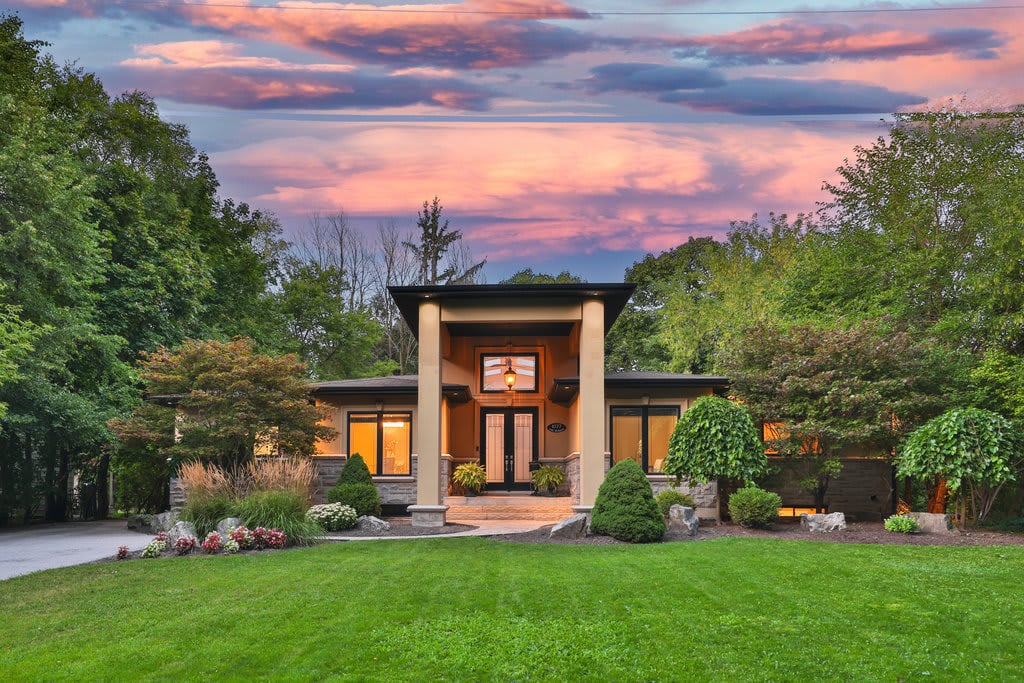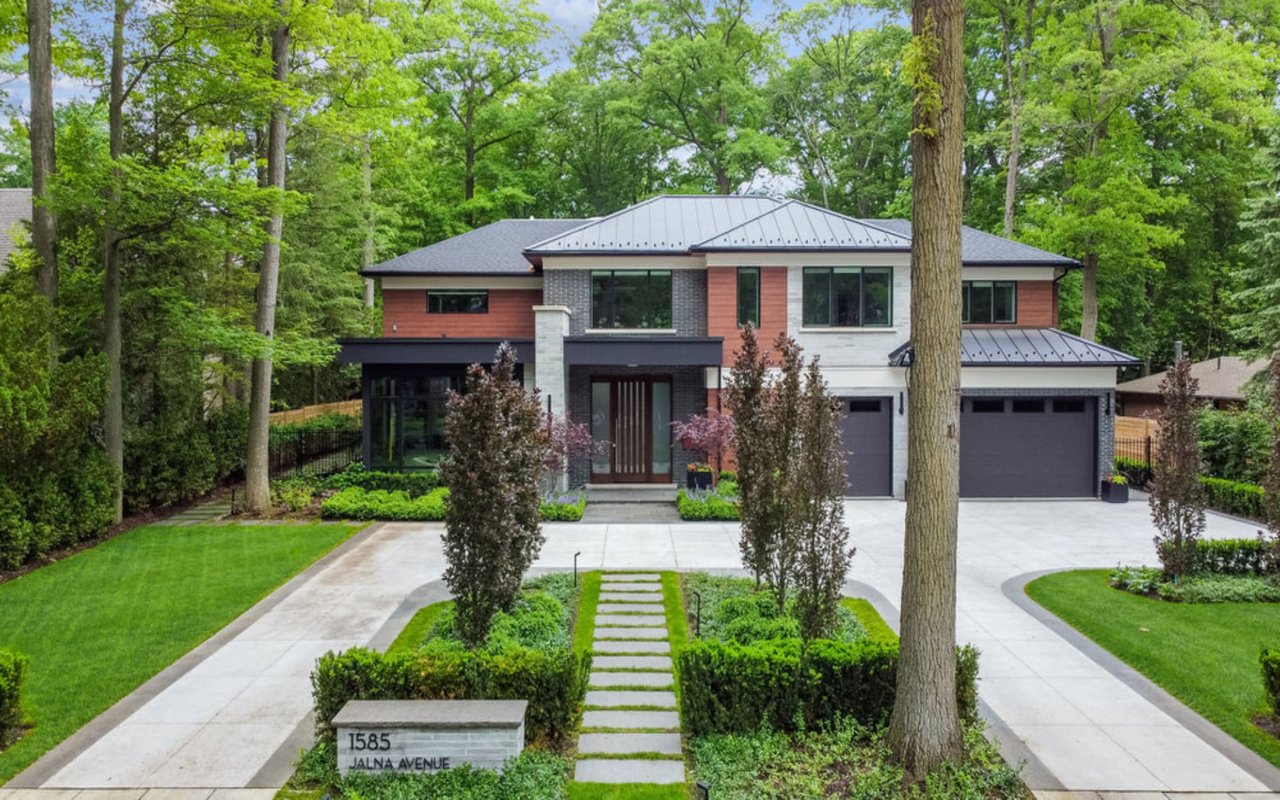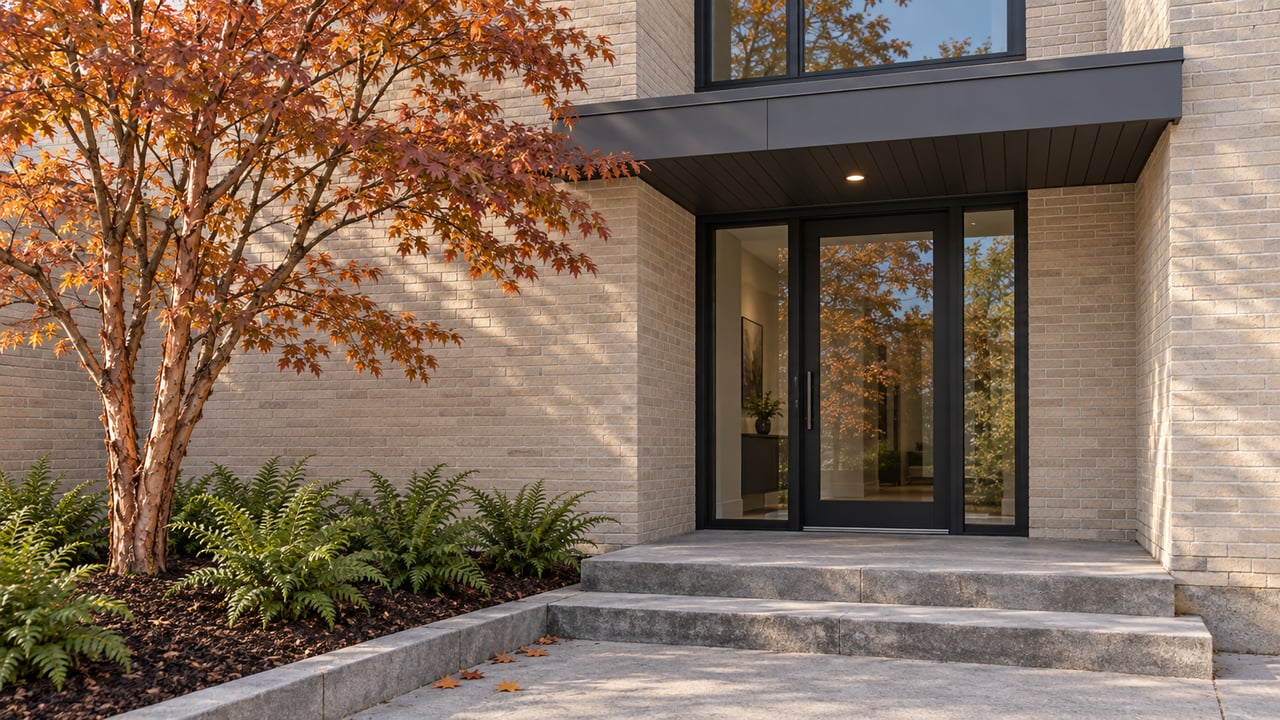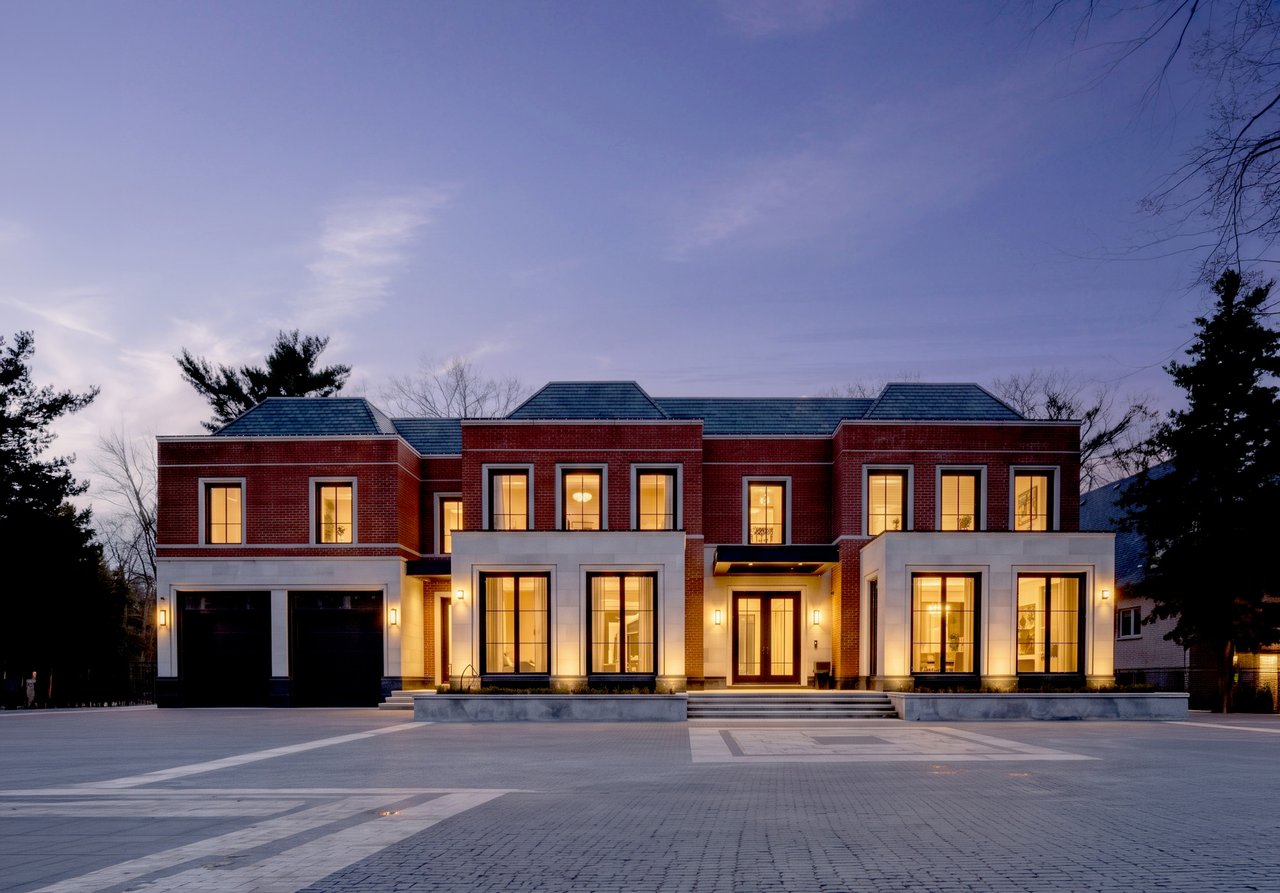
A buyer looking at Lorne Park in July 2026 will read two numbers that seem to contradict each other. One market report shows the average sale price around $1.85M. Another shows the average list price near $2.9M, with active inventory ranging from $979,000 to $11.9M. A third source reports values down 8.54% year over year, while a Whiteoaks of Jalna estate quietly trades north of $6M. The reader assumes one number is wrong.
None of them are. They are describing different homes on different streets, aggregated into a single line item. In a fully built-out luxury enclave with slow turnover, the headline average is a story about which pockets happened to trade last quarter, not a story about what any specific home is worth.
The thesis: enclave, not average
Lorne Park is not one market. It is at least four. The mistake buyers make on portal data is treating a neighbourhood-wide median as a valuation input for a specific street. The mistake sellers make is the mirror image, anchoring a Whiteoaks list price to a citywide Mississauga benchmark that includes condos in Cooksville. Both mistakes cost real money at the negotiating table in 2026, because the softer market has widened the gap between aspirational pricing and closed comps.
The Papousek Team's Lorne Park neighbourhood guide frames the enclaves clearly. Here is how each one is trading and, more importantly, what a given budget actually buys inside it.
The four price tiers, translated
| Enclave | Typical price band | Lot frontage | What the money buys |
|---|---|---|---|
| Bexhill and eastern edges | ~$2.0M–$2.5M | Standard | Smaller original home, entry into the LPSS catchment |
| Watercolours | ~$2.5M–$4.5M | 50–60 ft | Newer 2000s-era custom build, family-oriented block feel |
| Standard estate blocks | ~$3.5M–$6M+ | 75–100 ft | Established estate home, mature canopy, room for a pool |
| Whiteoaks of Jalna | $6M–$8M+ | 100 ft+ | Trophy estate, deepest lots, most sheltered privacy |
| Lorne Park Estates lakefront | Rarely listed publicly | Varies | Direct Lake Ontario setting, often traded off-market |
The Whiteoaks name itself carries neighbourhood history. The enclave takes its name from Mazo de la Roche's Jalna novel series, which is part of why long-tenured owners tend to hold for decades rather than trade on market cycles.
Why the "average" moves without any single house moving
Consider two quarters, one year apart, using data compiled by a local brokerage from board statistics. In Q1 2025 the neighbourhood recorded 33 sales at an average of $2,667,545 and a median of $2,200,000. In Q4 2025 it recorded 28 sales at an average of $1,949,639 and a median of $1,820,000. On paper, that is a $700K drop in the average. In practice, it can mean that Q1 happened to include a couple of large estate trades on 100-foot lots, and Q4 happened not to.
This is the sales-mix problem, and it matters more in Lorne Park than in almost any other Mississauga neighbourhood. The area records tens of transactions per quarter, not hundreds. A single Whiteoaks estate swinging into or out of the reporting window can move the average by six figures without any individual home revaluing. Zolo's methodology page acknowledges the point directly: when the mix of homes sold shifts from higher-priced to lower-priced product, the reported average moves even if underlying values are stable.
That does not mean the market is unchanged. It means the reader has to separate two questions:
- Is Lorne Park softer in 2026 than it was in 2024? Yes, mildly. Property.ca reports values down roughly 8.54% year over year as of spring 2026, and the citywide picture from the local board showed 5.4 months of inventory in January 2026, well off classic seller's-market conditions.
- Is the $1.85M average sale figure a fair proxy for what a Whiteoaks estate is worth today? No. That number is dominated by trades in Bexhill and Watercolours, because those enclaves turn over more often.
The negotiating room lives in the answer to question two.
Where the friction actually shows up in a transaction
The gap between aspirational list pricing and closed sale price is the single most useful stat for a Lorne Park buyer to internalize in 2026. Multiple sources put average list price around $2.4M to $2.9M and average sale price around $1.85M to $2.25M. That spread is not a discount waiting to be captured on any home. It is a mix-and-mispricing artifact. Homes that price correctly against enclave-matched comps still move quickly, with about 15% of Lorne Park listings selling in under 10 days and a sale-to-list ratio near 95.3% as of mid-2026. Homes priced against the neighbourhood-wide list average tend to sit, then reduce, and eventually settle far below their original number.
For a buyer, that means:
- Ignore the neighbourhood-wide median list price. Ask for closed comps on the same enclave and, ideally, the same block.
- Ask specifically about turnover velocity. Days on market averaged 24 to 44 across the various May and June 2026 reports, but that range hides enclave-level differences. Watercolours turns faster than Whiteoaks.
- Do not treat "reduced" listings as automatic value. A Whiteoaks estate that came out at $8M and reduced to $6.9M may still be aggressively priced. A Bexhill home reduced from $2.3M to $2.05M may have been correctly priced the second time.
For a seller, the same mechanism runs in reverse. Anchoring a list price to a headline neighbourhood average that includes trophy estates will overprice a mid-tier Watercolours build and cost weeks of momentum.
The homes that trade well in a softer Lorne Park market are the ones priced against their own enclave, not the neighbourhood label on the MLS field.
What each enclave is doing right now
Watercolours
The newer construction inventory, on 50-to-60-foot lots, is the most active tier in the current market. Buyers here are typically upsizing families who want the Lorne Park Secondary catchment and the IB Programme without stepping up to a Whiteoaks price. Days on market are shorter than the neighbourhood average, and the sale-to-list ratio tightens fastest here when a home is priced correctly.
Standard estate blocks
Homes on 75-to-100-foot lots in the core of the neighbourhood represent the widest range of outcomes in 2026. An updated home with a modern kitchen, finished basement, and mature landscaping still draws interest at $3.5M to $5M. A dated property on the same block, at the same size, is where the 2026 buyer has real negotiating room, particularly if a teardown-and-rebuild strategy is on the table. Many current transactions in this tier involve buyers acquiring older homes on premium lots specifically to redevelop.
Whiteoaks of Jalna
Turnover is the slowest here, which is exactly why quarterly averages swing. Trophy estates in the $6M to $8M+ band trade privately more often than they trade on MLS, and the buyer database matters more than the portal. If a Whiteoaks home is publicly listed for months without moving, the question is rarely whether the neighbourhood softened. It is usually whether the home was priced against the last Whiteoaks trade or against a broader Lorne Park average that does not apply.
Lorne Park Estates lakefront
Direct waterfront pockets fronting Lake Ontario are individually priced and rarely publicly listed. For buyers targeting this tier, market-average data is not just unhelpful, it is misleading. Off-market access and long-cycle relationship networks matter more than any listing feed, which is one of the structural reasons the enclave stays opaque to portal shoppers.
The Lorne Park premium is still intact, just measured differently
The fundamentals that make the neighbourhood defensible have not moved. It remains fully built out, with no new development land to dilute supply. The 100-year-old tree canopy and the estate-lot frontages of 75 to 200 feet cannot be reproduced in newer subdivisions. Lorne Park Secondary School's IB Diploma Programme continues to draw families from across the region. Clarkson GO Station delivers roughly a 24-minute express run to Union Station, one of the fastest luxury commutes in the 905. Jack Darling Memorial Park anchors the lakefront edge with a public beach, off-leash dog park, and open green space.
Those factors are why long-tenured owners tend to stay, and why turnover is structurally low. They are also why the 2026 softening reads differently here than in more transient neighbourhoods. Fewer people are forced sellers, so the homes that do list are more often the ones with a specific mispricing story attached, either a stretched list price against an aggressive comp, or an accurate price that closes fast.
For a comparative view of how Lorne Park sits against neighbouring corridors, our reads on Port Credit and Mineola frame the trade-offs that most upsizing families weigh alongside this decision.
FAQ
Did Lorne Park really drop 8.54% in the last year? That figure appears in one aggregator's spring 2026 report and reflects average sale price movement. It is a real signal of a softer market, but it is not a valuation input for a specific home. Enclave-matched comps will tell you more about your target property than any neighbourhood-wide percentage.
Why is the average list price so much higher than the average sale price? The active inventory in Lorne Park skews toward larger estates that sit longer, while the closed transactions in a given quarter often skew toward smaller, faster-moving homes in Watercolours and the eastern edges. The two averages describe different populations of homes.
Is the 2026 market a good time to buy in Lorne Park? For buyers focused on the standard estate tier and mid-market Watercolours homes, current inventory levels and days-on-market data suggest more negotiating leverage than 2022 or 2023 offered. For the Whiteoaks tier, the answer depends less on timing and more on off-market access.
Should sellers wait for a stronger market? That depends entirely on which enclave the home sits in and whether the list price is anchored to correct comps. A correctly priced Lorne Park home is still moving in under a month on average, at close to 95% of list.
Work with the enclave, not the average
The reader who leaves this post with only one takeaway should leave with this: in Lorne Park, the neighbourhood label is the least useful line on the MLS. The enclave is the market. If you are weighing a purchase or preparing to list, the right conversation is about the block, the lot, and the last comparable trade on the same tier, not about the citywide benchmark.
The Papousek Team has spent three decades tracking those enclave-level patterns across Whiteoaks, Watercolours, the standard estate blocks, and the lakefront pockets that rarely reach the portals. To discuss what your specific property or budget maps to in the current market, schedule a private consultation.