If you have been watching Mississauga’s lakeshore, Lakeview is one of the most important long-term stories to know right now. This is not just a new condo launch or a single redevelopment site. It is a large-scale waterfront transformation that could reshape how buyers, sellers, and investors think about this part of the city for years to come. Let’s dive in.
Why Lakeview Stands Out Today
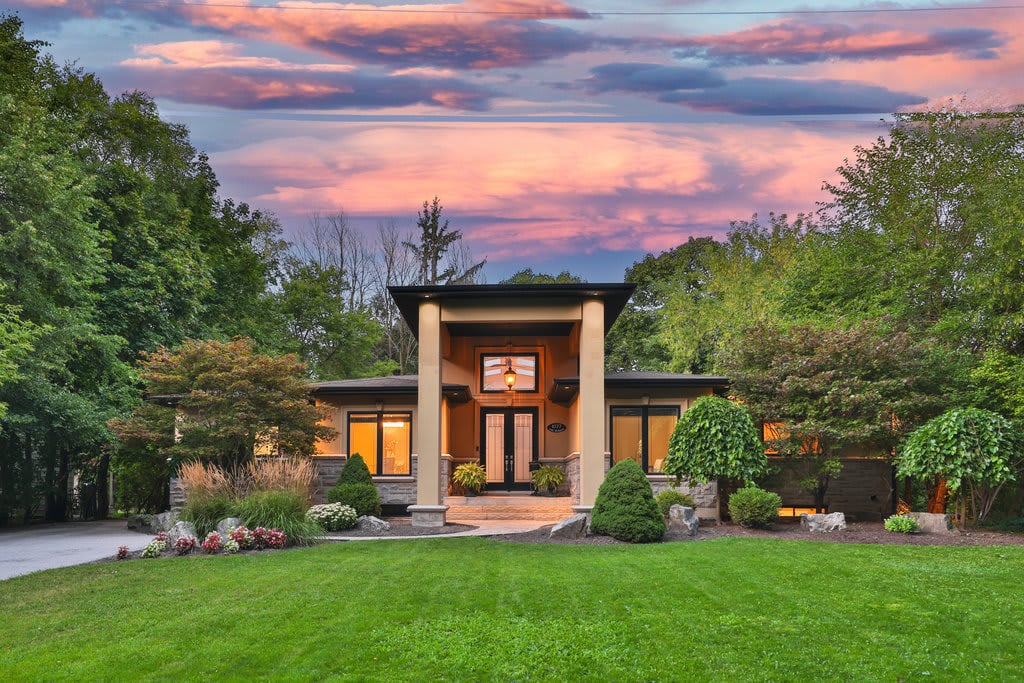
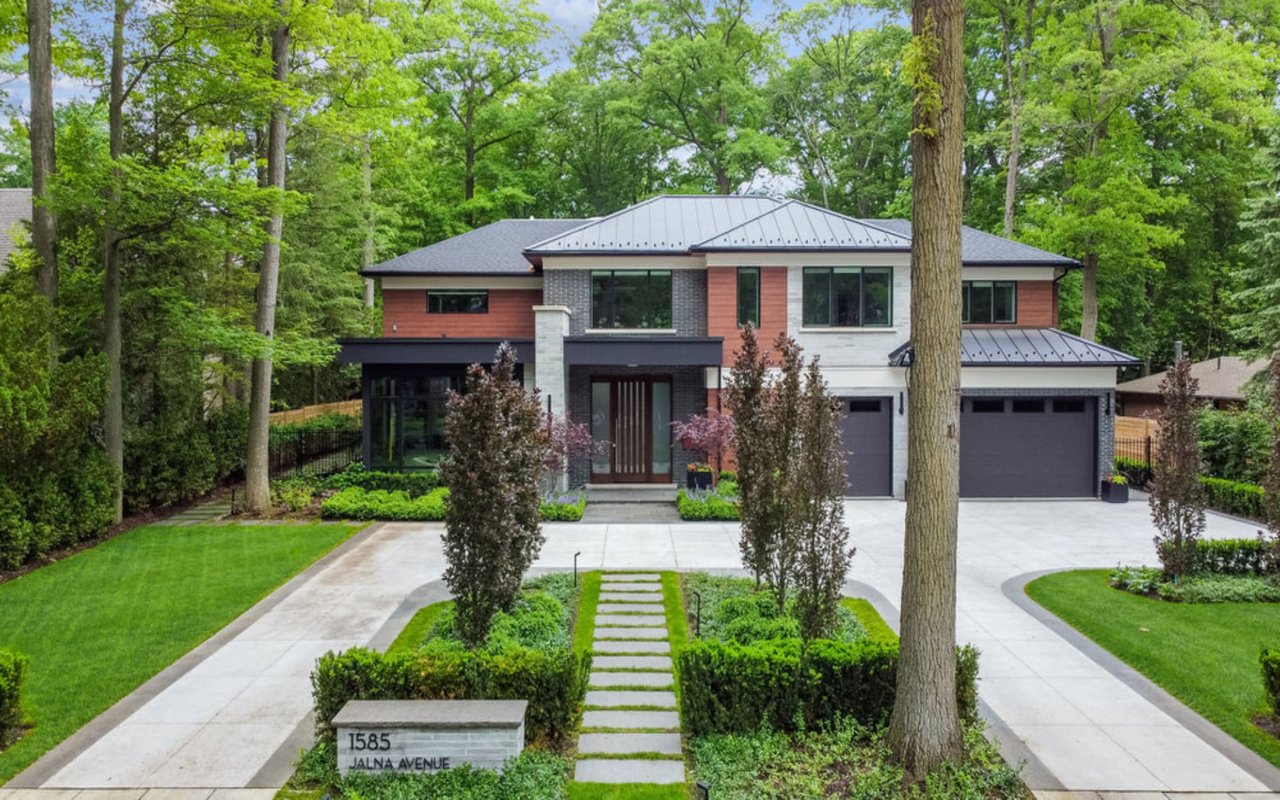
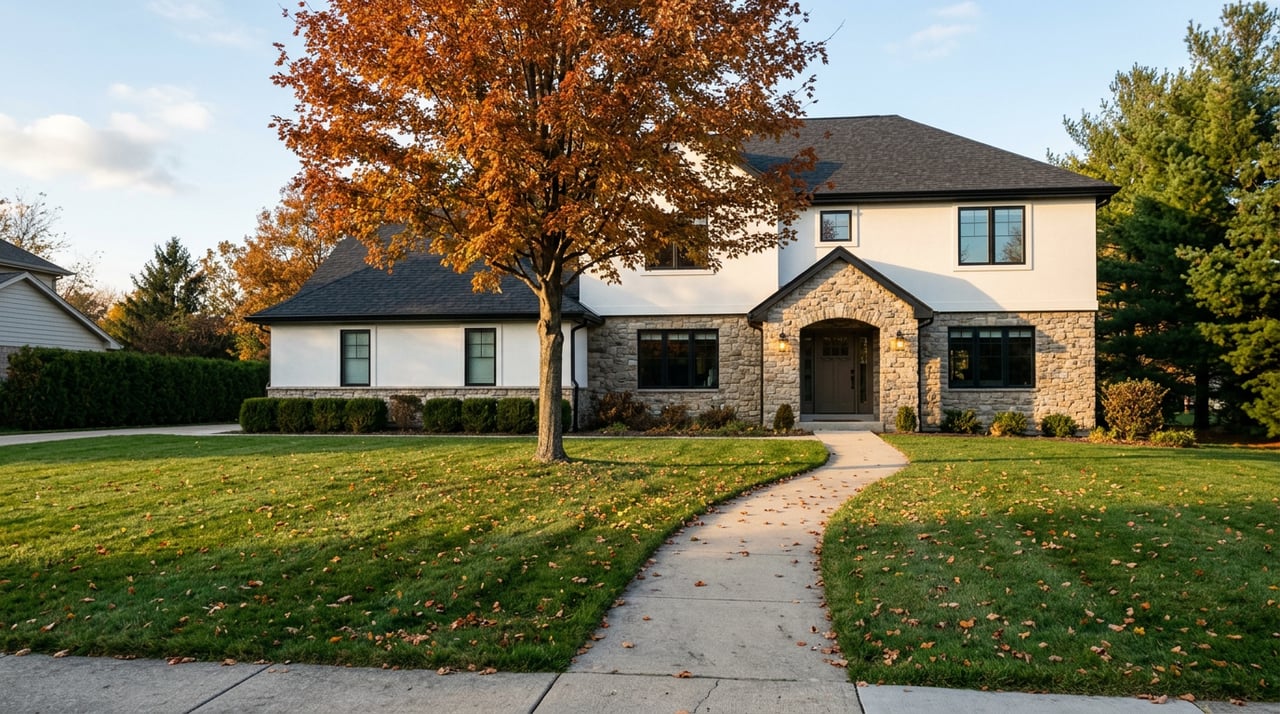
Lakeview already has a real neighbourhood foundation, which matters when you are judging redevelopment potential. City planning documents describe the area as a mix of low-rise homes and apartments, with a history shaped largely by detached and semi-detached housing. Many post-war homes are now being renovated or replaced with newer detached homes, which shows that reinvestment was already happening before the latest waterfront projects accelerated.
That existing fabric gives Lakeview an advantage over places trying to create identity from scratch. The area already includes established shoreline assets like Adamson Estate and the nearby Small Arms Inspection Building as a cultural hub. In practical terms, the new waterfront buildout is being layered onto a neighbourhood that already has history, amenities, and a recognizable place within South Mississauga.
Lakeview Village Is The Main Driver
The biggest catalyst is Lakeview Village, the former Lakeview Power Generating Station site. According to the City of Mississauga, this 177-acre site is being transformed into a mixed-use waterfront neighbourhood planned for 16,000 residential units, including 1,200 affordable or attainable units, more than 45 acres of parkland, six parks, and an Innovation District focused on employment, research, and technology.
This scale matters because it is large enough to change daily life in the area, not just add housing stock. A project of this size can influence walkability, retail patterns, local services, public space, and buyer perception over time. It also gives Lakeview a different trajectory from nearby neighbourhoods that are evolving more gradually through lot-by-lot redevelopment.
The project is also moving from vision to construction. The City says site servicing work is underway, and the first residential building, Harbourwalk, began construction on October 7, 2024. That shift from planning documents to visible activity often changes how the market evaluates a location.
The Waterfront Is Becoming More Usable
One of the strongest parts of Lakeview’s story is that the public realm is becoming real, not hypothetical. The Jim Tovey Lakeview Conservation Area opened to visitors in late May 2026 as a 26-hectare waterfront conservation area with restored shoreline habitat, wetlands, a 170-metre boardwalk, and nearly 4 kilometres of new trails.
For buyers, that means the value proposition is not limited to private development. Public access to the waterfront, trail connections, and restored natural space can shape how people use the area every day. These are the kinds of improvements that often strengthen long-term neighbourhood appeal, especially in a built-out lakeshore market where new public shoreline access is limited.
The conservation area also reconnects Serson Creek to Lake Ontario and is designed to strengthen the Great Lakes Waterfront Trail connection between Mississauga and Toronto. That matters because better active transportation links can improve how connected the neighbourhood feels, both locally and across the wider waterfront corridor.
Trail And Park Investments Add Depth
Lakeview’s transformation goes beyond one headline project. The City’s waterfront trail and pedestrian bridge work is designed to move the Waterfront Trail from an on-road route to the water’s edge and connect the broader trail network through the conservation area and Lakeview Village.
That may sound technical, but the impact is very practical. Better trail alignment and pedestrian infrastructure can improve the experience of moving through the neighbourhood, make the waterfront feel more continuous, and increase the appeal of homes and new residences that benefit from easier outdoor access.
The City also says the Lakeview Village parks program is advancing six new parks. When you combine that with the conservation area and shoreline work, you get a clearer picture of why Lakeview is attracting attention. This is not just about adding buildings. It is about creating a more complete waterfront district.
Infrastructure Is Part Of The Value Story
Another detail worth watching is infrastructure. Mississauga and Enwave broke ground on a district energy system at Lakeview Village on October 21, 2024. The City describes it as the first of its kind in Ontario and the largest in Canada.
By 2034, the system is expected to use effluent from the nearby G.E. Booth Water Resource Recovery Facility. While most buyers will focus first on location, views, and design, major utility planning like this can still matter because it signals long-term investment in how the community will function and grow.
For a waterfront district, strong infrastructure helps support the credibility of the broader vision. It suggests the area is being planned as a complete community, not just marketed as one.
Planning Changes Could Shape Future Opportunity
If you are evaluating Lakeview from a real estate perspective, planning policy is part of the conversation. The 2024 Lakeview Local Area Plan is the current planning reference for the area, and related updates have affected land use, road widths, and height policies along the Lakeshore Road East corridor.
The Lakeshore East Corridor Study also concluded in 2024, with MOPA 131 taking effect in April 2024. That tells you the area is still being refined from a built-form and street-design perspective. For buyers and sellers, this means understanding the exact location of a property still matters greatly, because future context can differ meaningfully by street and by proximity to key corridors.
The approvals process around Lakeview Village is also important. The City states that an enhanced Ministerial Zoning Order increased planned density from 8,050 units to 16,000 units, and a 2024 ministerial order required agreements covering parkland, transportation studies, traffic improvements, odour and noise mitigation, a Peel District School Board school site, and a minimum five per cent affordable housing set-aside.
That is significant because it shows the area’s growth is tied to infrastructure and public-interest obligations, not just private development goals. For the market, that can support confidence, but it also reinforces that delivery timelines and later phases remain important variables.
What This Could Mean For Real Estate Values
The strongest case for Lakeview’s real estate potential comes from the type of investment now underway. Scarce lakefront land, new public waterfront access, park creation, trail connectivity, and a large mixed-use buildout all support the idea that Lakeview’s long-term value proposition is improving.
That said, it is important to stay measured. The available evidence supports a stronger long-run outlook, especially for homes and residences closest to the shoreline, the conservation area, and the most walkable parts of the mixed-use core. It does not support promising quick appreciation across the entire neighbourhood.
In a transformation of this size, pricing effects are rarely uniform. Some locations may benefit earlier because of views, direct waterfront access, or adjacency to finished amenities. Other parts of Lakeview may see value build more gradually as infrastructure, parks, streetscapes, and residential phases continue to come online.
The Broader Market Still Matters
Lakeview does not exist in a vacuum. TRREB reported that GTA home sales in May 2026 were up 6.3 per cent year over year, while the average selling price was down 4.6 per cent to $1,069,700. In the 905 region, average May 2026 prices were about $1.269 million for detached homes, $812,392 for townhouses, and $573,531 for condo apartments.
The practical takeaway is simple. Lakeview may develop as a premium micro-market, but it is still influenced by borrowing costs, supply levels, and product type. A detached home, a luxury townhome, and a condo residence can all respond differently to the same macro market conditions.
For buyers, that means timing and product selection still matter. For sellers, it means that pricing strategy and presentation remain critical, especially in a market where broad headlines do not always reflect micro-market performance at the street level.
Risks Buyers And Sellers Should Keep In Mind
Every redevelopment story has tradeoffs, and Lakeview is no exception. The main risks today are timeline risk, construction disruption, and the possibility of policy or design changes as later phases move through approvals.
The final feel of the district will depend on how efficiently civic improvements, private buildings, and utility systems arrive together. That can create a gap between the vision buyers are pricing in today and the lived experience on the ground during the buildout years.
This is why Lakeview is best understood as a long-horizon opportunity. It may offer compelling upside, but short-term pricing can still vary based on street position, housing type, view corridors, and how close a property is to completed amenities versus future ones.
Why Local Strategy Matters In Lakeview
In a changing neighbourhood, broad market knowledge is not enough. You need to understand where public investment is already complete, where planning policy is still evolving, and which pockets may appeal most to different buyer profiles over time.
That is especially true in South Mississauga’s lakefront corridor, where small differences in setting can create large differences in buyer demand. Whether you are considering a legacy home, a newer detached property, or a future waterfront residence, the right strategy starts with a clear view of both today’s market and tomorrow’s neighbourhood shape.
If you are thinking about buying, selling, or evaluating long-term opportunity in Lakeview, working with a team that understands the lakeshore at a detailed level can help you make a more confident move. For tailored guidance on South Mississauga’s evolving waterfront market, connect with The Papousek Team.
FAQs
What is driving Lakeview’s waterfront transformation in Mississauga?
- The main driver is Lakeview Village, a 177-acre former power plant site being redeveloped into a mixed-use waterfront neighbourhood with 16,000 residential units, parks, and an Innovation District, along with related public waterfront and trail investments.
What is the Jim Tovey Lakeview Conservation Area?
- It is a 26-hectare waterfront conservation area that opened in May 2026 and includes restored shoreline habitat, wetlands, a boardwalk, and nearly 4 kilometres of trails.
How could Lakeview redevelopment affect local real estate values?
- The long-term outlook may strengthen most for properties closest to the shoreline, conservation area, and walkable mixed-use areas, but pricing effects are likely to be uneven and gradual rather than immediate across the whole neighbourhood.
Is Lakeview mainly a new-build market?
- No. Lakeview already has an established housing base that includes low-rise homes and apartments, and many older homes are being renovated or replaced with newer detached homes.
What risks should buyers consider in Lakeview?
- Key risks include construction disruption, phased delivery timelines, and changes that can happen as later parts of the redevelopment move through approvals.
Why is local expertise important when buying or selling in Lakeview?
- Because pricing and demand can vary sharply by street, waterfront proximity, housing type, and access to completed versus future amenities, detailed local market knowledge can make a meaningful difference in strategy.